
 See Our Latest Article on HelloNation
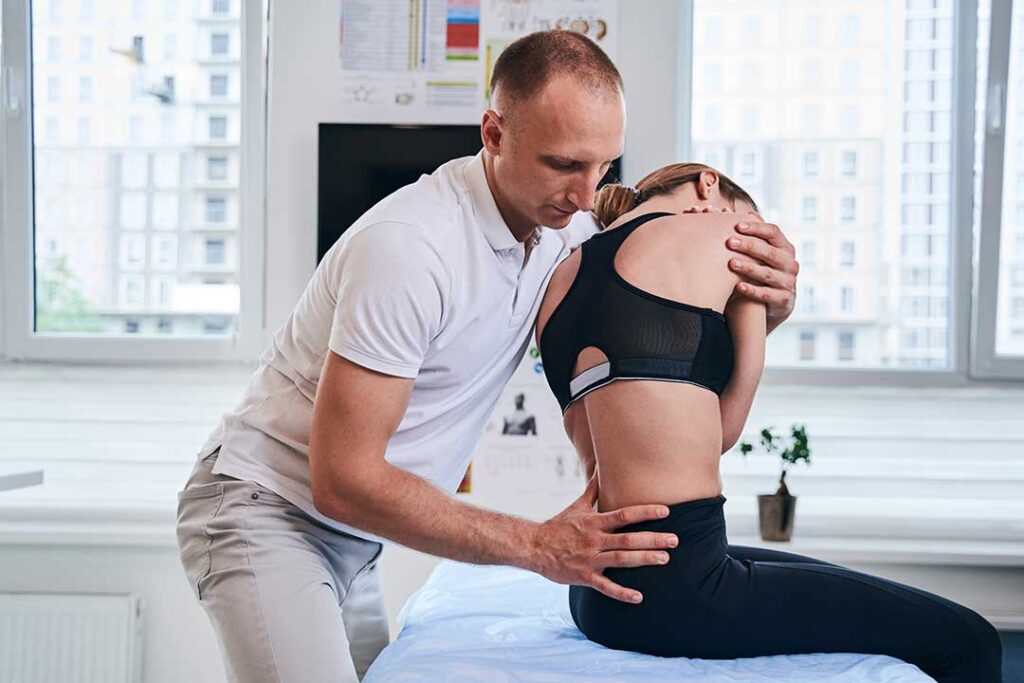
Sports injuries can affect anyone, from people who play on local fields to residents who run, cycle, lift weights, or exercise at home. Chiropractic care may help some musculoskeletal injuries by addressing pain, joint movement, muscle tension, and the gradual return to normal activity. It is not a replacement for emergency care, imaging, surgery, or medical treatment when those are needed.
What types of sports injuries may benefit from chiropractic care?
Chiropractic care is generally most relevant to injuries involving muscles, joints, and movement patterns, especially when there is stiffness or pain without signs of a fracture or major tissue rupture.
Common examples include:
- Mild back or neck strains
- Muscle tightness after training
- Minor ankle, knee, hip, or shoulder problems
- Repetitive-use discomfort
- Joint stiffness after a period of rest
- Some movement-related pain that continues after the initial injury has settled
A sprain affects a ligament, while a strain affects a muscle or tendon. Both can cause pain, swelling, bruising, spasms, and limited movement. Many sports injuries improve with protection of the injured area, gradual activity, exercises, and time. Chiropractic care may be used as one part of that broader recovery plan rather than as a stand-alone cure. ([medlineplus.gov](https://www.medlineplus.gov/sprainsandstrains.html?utm_source=openai))
How can chiropractic treatment support recovery?
The main purpose is to improve comfortable movement and help a person participate safely in rehabilitation. Depending on the injury, care may include a detailed history, movement assessment, gentle manual techniques, mobility work, soft-tissue treatment, and exercises.
For example, a person with a mild low-back strain may have difficulty bending, rotating, or sitting. A treatment plan could focus on reducing protective muscle tension, restoring comfortable range of motion, and building strength in the trunk and hips. Someone recovering from an ankle injury may need help with ankle mobility, balance, calf strength, and the way the foot and leg move during walking.
Spinal manipulation has the strongest research support for certain types of low-back pain, where studies suggest modest short-term improvements in pain and function. That evidence should not be stretched to mean that manipulation heals every sports injury or repairs torn ligaments and tendons. ([nccih.nih.gov](https://www.nccih.nih.gov/health/spinal-manipulation-what-you-need-to-know?6df6a1c6_page=3&85de4c3e_page=2&utm_source=openai))
Does an adjustment repair a torn ligament or broken bone?
No. An adjustment cannot reconnect a completely torn ligament, set a broken bone, or replace surgery when a serious injury requires it.
A sudden pop, visible deformity, inability to bear weight, severe swelling, or immediate loss of function may indicate an injury needing prompt medical evaluation. A dislocated joint is an emergency, and suspected fractures should be assessed rather than treated with forceful movement. ([medlineplus.gov](https://www.medlineplus.gov/ency/article/000041.htm?utm_source=openai))
For this reason, a careful evaluation should come before any treatment. Depending on the symptoms, the safest next step may be imaging, urgent medical care, orthopedic evaluation, or a period of protection and rest.
Can chiropractic care help with overuse injuries?
It may help address contributing movement limitations, but overuse injuries usually require changes in training as well.
Overuse problems can develop when a person repeats the same motion without enough recovery, increases distance or intensity too quickly, changes footwear or equipment, or returns to activity before strength has been restored. Treatment that only reduces discomfort may not solve the reason the injury developed.
A useful recovery plan may involve:
- Temporarily reducing the activity that triggers symptoms
- Maintaining pain-free movement where appropriate
- Gradually restoring strength and endurance
- Reviewing technique, workload, and recovery time
- Correcting movement limitations without forcing painful ranges
- Returning to sport in stages rather than all at once
For residents dealing with seasonal changes, outdoor activity may shift significantly between warmer months and colder periods. A sudden increase in running, snow-related activity, indoor court sports, or home workouts after a quieter season can place unusual stress on muscles and joints. Gradual progression is usually more protective than trying to regain fitness in a few sessions.
What happens during an evaluation?
An evaluation typically begins with questions about how the injury occurred, where symptoms are located, what movements make them better or worse, and whether there was a pop, impact, fall, or sudden loss of function.
The assessment may include:
- Observation of posture and walking
- Active range-of-motion testing
- Strength and balance checks
- Joint and muscle examination
- Screening for numbness, tingling, or weakness
- Discussion of sports demands, training volume, and previous injuries

The goal is to determine whether the problem appears appropriate for conservative musculoskeletal care or whether another form of evaluation is more appropriate. A good assessment should also identify activities that are safe to continue and those that should temporarily be avoided.
Is chiropractic care safe after a sports injury?
Safety depends on the injury, the technique, and the person’s medical history. Mild temporary soreness can occur after manual treatment. More forceful treatment may not be appropriate when there is a suspected fracture, unstable joint, significant swelling, acute nerve symptoms, infection, or another condition that increases risk.
Neck manipulation deserves particular caution. The National Center for Complementary and Integrative Health notes that serious complications are rare but that sudden neck movement can be associated with risk, including in people with certain underlying conditions. A person should share relevant medical history, medications, prior injuries, and neurological symptoms before treatment. ([nccih.nih.gov](https://www.nccih.nih.gov/health/spinal-manipulation-what-you-need-to-know?6df6a1c6_page=3&85de4c3e_page=2&utm_source=openai))
Treatment should never be used to push through severe pain or to delay needed medical evaluation.
When should a sports injury be evaluated urgently?
Urgent medical assessment is appropriate for severe pain, suspected fracture, visible deformity, a joint that appears out of position, inability to use the limb, major swelling, numbness, or a popping sound followed by immediate loss of function. These signs may point to a more serious injury than a routine strain or sprain. ([medlineplus.gov](https://www.medlineplus.gov/ency/article/000041.htm?utm_source=openai))
A head, neck, or spine injury also deserves special care. Symptoms such as worsening headache, confusion, repeated vomiting, fainting, weakness, or unusual behavior after an impact should not be managed as an ordinary muscle problem.
Even when an injury is not an emergency, continuing pain, repeated swelling, instability, or difficulty returning to normal movement warrants reassessment. A mild sprain may begin improving within several days, but more significant injuries can take weeks or longer. ([medlineplus.gov](https://www.medlineplus.gov/ency/article/000041.htm?utm_source=openai))
How should someone return to sports?
Return should be based on function, not only on whether pain has temporarily decreased. A person should generally be able to walk, climb stairs, perform basic sport-specific movements, and use the injured area with controlled strength before resuming full intensity.
A gradual progression may look like:
- Normal daily activity without a meaningful increase in symptoms
- Light, low-impact exercise
- Sport-specific drills at reduced speed
- Increased intensity or duration
- Limited practice
- Full participation only when strength, movement, and confidence have returned
Recovery rates vary even among people with similar injuries. A safe plan accounts for symptoms during activity and later that day, as well as the following morning. Pain that steadily worsens, swelling that returns, or a sense of instability suggests that the workload may be advancing too quickly. ([acsm.org](https://acsm.org/wp-content/uploads/2025/02/Back-Into-Action-A-Coaches-Guide-PDF.pdf?utm_source=openai))
Chiropractic care can be one component of sports-injury management, particularly when the main concerns are stiffness, movement restriction, muscle tension, or the need to progress through exercise. The most appropriate care depends on the injury’s severity, the person’s health history, and whether other medical services are needed.
