
 See Our Latest Article on HelloNation
What Are Chiropractic Care Alternatives to Surgery?
Chiropractic care offers a range of non-surgical strategies for managing pain and movement issues. Many residents seek these options as a way to avoid or delay surgery for back, neck, joint, and musculoskeletal problems. These approaches focus on hands-on therapy, education, lifestyle changes, and coordinated care with other local health providers.
When Might Non-Surgical Chiropractic Methods Be Used?
Non-surgical interventions are commonly considered for chronic or acute pain, especially when symptoms impact daily life but do not involve emergencies. In Ramapo, families often explore these options for:
- Lower back pain or sciatica not caused by major trauma
- Neck pain from posture, daily activities, or minor accidents
- Shoulder and joint discomfort from sports or repetitive use
- Episodes of discomfort from seasonal work or home improvement tasks
Surgery is generally reserved for cases involving fractures, severe nerve compression, serious instability, or conditions not improving with conservative measures.
What Techniques Do Chiropractors Use Instead of Surgery?
Chiropractors rely on evidence-informed, non-invasive methods to help reduce discomfort and promote movement. Common techniques include:
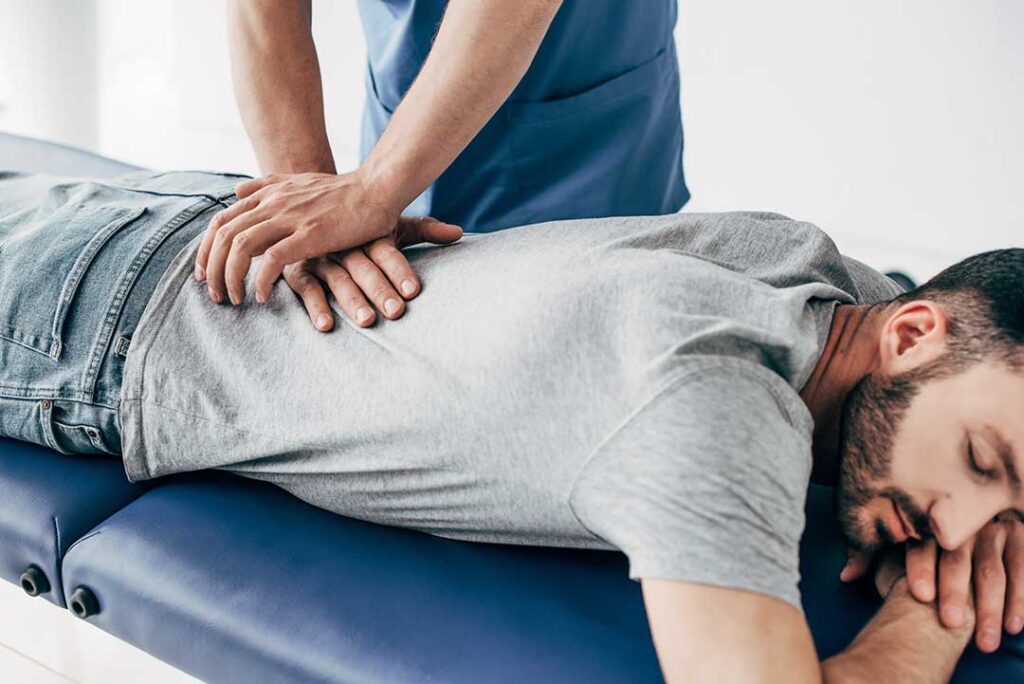
- Spinal Adjustments: Gentle, targeted movements to improve joint mobility and relieve tension.
- Soft Tissue Therapy: Hands-on or instrument-assisted treatments to reduce muscle tightness and address trigger points.
- Rehabilitative Exercises: Individualized routines that reinforce proper movement, stability, and strength.
- Lifestyle Education: Guidance on posture, work habits, ergonomics, and other lifestyle factors contributing to pain.
- Coordinated Care: Communication with primary care providers or specialists as needed, especially for chronic or complicated cases.
The selection of techniques depends on the person’s health history, age, activity level, and specific diagnosis.
How Effective Are Non-Surgical Chiropractic Approaches?
Many people in Ramapo report substantial improvement with non-surgical care, especially for conditions like:
- Mechanical lower back pain
- Certain types of neck pain
- Mild to moderate joint and muscle discomfort
Scientific studies suggest that a personalized plan, regular monitoring, and active involvement by the patient can improve results compared to passive care or self-management alone.
For chronic pain, progress is often gradual. Residents should expect a process that may include reviewing daily habits, making consistent routine changes, and gradually increasing activity.
What Should Residents Know Before Choosing These Options?
Not all pain conditions are suitable for conservative management. Residents should be aware of a few situations that require prompt medical evaluation, such as:
- Loss of bladder or bowel control
- Sudden onset of numbness, weakness, or severe pain after an accident
- Known fractures, infections, or tumors
For common, non-urgent back or joint pain, most people can start with conservative care and monitor progress.
Are There Risks or Downsides to Conservative Chiropractic Care?
All health interventions carry some risk, but non-surgical chiropractic treatments are typically considered low-risk for healthy adults when performed by a qualified provider.
It’s useful to be aware of:
- Temporary soreness after manual treatments
- Occasional flare-ups of symptoms with certain exercises or changes in routine
- The need for active participation and adjustment of habits for best results
Serious complications are rare. Individuals with significant osteoporosis, history of spinal surgery, or certain underlying conditions may require modifications or alternative approaches.
How Can Local Residents Support Their Recovery at Home?
There are steps that area households can take to complement their non-surgical care:
- Use ergonomic chairs and supportive bedding, especially during long periods indoors in colder months.
- Take brief, regular walks outside to minimize stiffness, taking advantage of local parks or walking trails.
- Set up a comfortable, adjustable workspace for anyone working or studying from home, paying attention to chair height and monitor position.
- Apply heat packs or gentle stretching on days with stiffness, especially during cool, damp seasons.
Small changes in daily routines and staying active, when tolerated, can support recovery and reduce the need for more invasive measures in many cases.
What Are Common Misconceptions About Avoiding Surgery With Chiropractic Care?
A few widespread myths can confuse the decision-making process:
- “Chiropractic care can fix any back or joint problem without surgery.”
While many conditions respond well to conservative management, some cases absolutely require surgical evaluation.
- “Improvements should be immediate.”
Recovery times vary, and most persistent pain needs weeks of consistent effort for long-term change.
- “All chiropractors use aggressive techniques.”
Most modern care in the field involves gentle adjustments, education, and exercise—tailored to the comfort and needs of each person.
Where Can Residents Find Reliable Information and Support?
Local residents can access information on non-surgical options through:
- Public library resources on back care and musculoskeletal health
- Educational materials from area hospitals or health fairs
- Discussion with a primary care provider about safe first steps
- Local senior centers and recreation departments, which may offer movement or wellness classes focused on injury reduction
Being proactive, asking questions about all available options, and seeking multiple informed opinions—particularly for complex or persistent symptoms—can help area households feel more confident in choosing the right path for their needs.
