
 See Our Latest Article on HelloNation
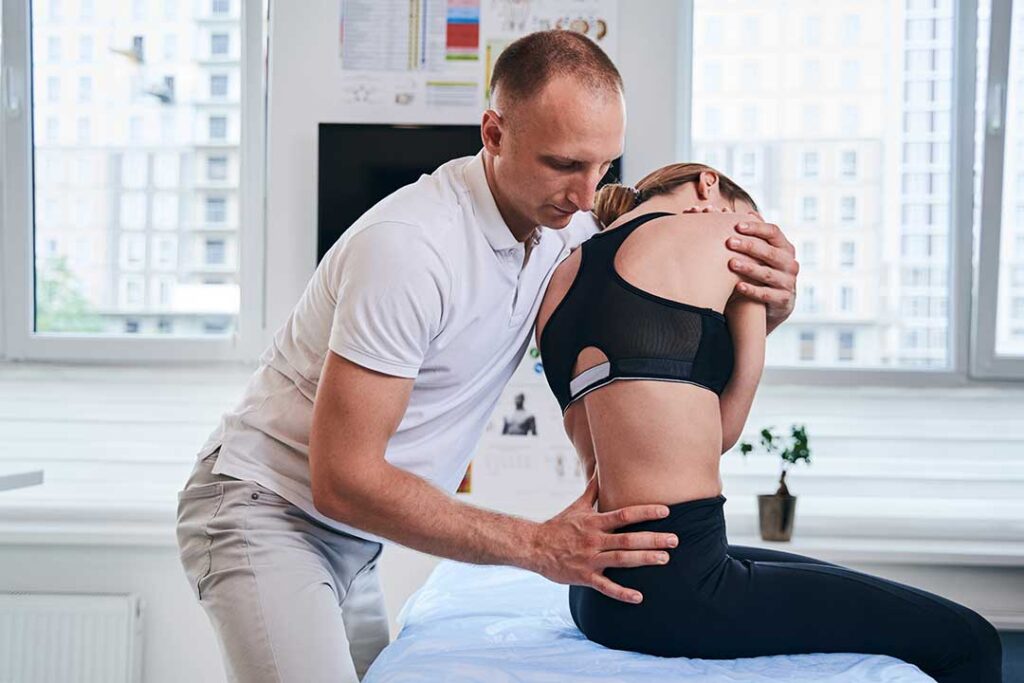
Why Does My Shoulder Pop When I Move It?
Hearing or feeling a popping sound in your shoulder is common, and it often isn’t a cause for immediate concern. The shoulder is a complex joint with multiple moving parts, so a variety of mechanical reasons can explain this sensation. In most cases, these pops, clicks, or snaps don’t mean something is seriously wrong, but some situations do require more attention.
What Are the Most Common Causes of Shoulder Popping?
Most shoulder noises are caused by:
- Air bubbles or normal joint motion
- Tendons or ligaments shifting over bony structures
- Minor, temporary joint imbalances
When the shoulder moves, tendons and muscles may slide over bony ridges, creating a snapping or clicking sound. Sometimes, escaping gas (such as nitrogen) from joint fluid forms bubbles that pop as you move. Local residents who are active in sports, gardening, or heavy yardwork may notice these sounds more often after strenuous activity or following long periods of rest.
When Should Shoulder Popping Concern Local Residents?
Though often harmless, popping that’s accompanied by pain, weakness, or swelling may signal a bigger issue. Residents should be aware of symptoms such as:
- Ongoing pain that disrupts sleep or daily tasks
- Sudden weakness or inability to raise the arm
- Visible bruising or deformity
- Lingering warmth or redness
Middle-aged and older adults in the city may be more prone to tendon degeneration or small cartilage tears, while younger people (including student-athletes or recreation enthusiasts) could experience popping related to minor labrum injuries or shoulder instability.
If a popping shoulder is making daily activities uncomfortable or causing loss of movement, further evaluation makes sense.
Can Weather or Lifestyle in Ramapo Affect Shoulder Noises?
While the joint’s anatomy is the primary factor, certain local lifestyle and seasonal patterns may play a role. The humid summers and chilly winters in the area can contribute to joint stiffness, making popping more noticeable after a long period of inactivity, such as waking up in a cold home or after sitting indoors during winter storms. Frequent use of home maintenance equipment, snow shoveling, or playing seasonal sports leagues can also temporarily stress the shoulder.
Area households who spend hours raking leaves, stacking firewood, managing snow, or performing repetitive lifting may experience more shoulder pops because of these repetitive motions.
Are There Medical Conditions Linked to Noisy Shoulders?
Yes. Sometimes, persistent or painful popping is linked to underlying shoulder conditions:
- Rotator cuff tendonitis or small tears
- Labral tears (cartilage injuries more common in overhead athletes or after falls)
- Impingement syndrome (tendons trapped or pinched)
- Shoulder arthritis (less common in young adults)
- Loose bodies from previous injuries
In these cases, popping is just one sign among others, such as pain, weakness, or limited mobility. Such patterns are different from the painless, occasional pops many people experience throughout their lives.
How Can Residents Reduce Shoulder Pops at Home?
Gentle stretching and regular movement are usually safe and effective ways to minimize joint noises. Try these local-friendly strategies:
- Warm up before shoveling snow, gardening, or doing home repairs
- Use slow, controlled arm circles and stretches after waking up, especially in colder seasons
- Avoid sudden, jerky overhead motions when possible
- Check work or computer desk setups for ergonomics that reduce shoulder strain
- Take periodic breaks when performing repetitive chores or hobbies

Applying heat to a stiff shoulder (like a warm shower or heating pad) can help reduce tightness and may make noises less noticeable.
Can Exercise or Physical Therapy Help?
Routine, non-strenuous strengthening exercises can support shoulder health if popping is not painful. Focus on:
- Low-impact resistance bands or light hand weights
- Gentle range-of-motion routines
- Scapular stabilization exercises to improve shoulder blade support
Local residents often benefit from integrating movement breaks into daily activities, such as stretching after raking, shoveling, or cleaning.
If the joint is sore or you sense a catching or locking sensation, pausing your activity and gently moving the arm can help assess if it’s improving or becoming more uncomfortable.
What Misconceptions Do People Have About Shoulder Popping?
A common myth is that all joint noises mean damage or arthritis. In reality, most noises are benign, especially if there is no pain or swelling. Another misconception is that everyone should avoid exercise or activity if their shoulder pops; in most cases, continued movement actually helps joints stay limber.
It’s also normal for joint noises to become more noticeable with age, even without injury or arthritis. A chronic pop that has always been present (without new pain or loss of function) rarely requires intervention.
What Steps Should Residents Take if the Popping Gets Worse?
If popping is new, gets louder, is painful, or affects daily activities, it may be time to rest the shoulder and observe for a day or two. Residents should watch for:
- Increasing pain, especially at night
- Spreading numbness, tingling, or loss of grip strength
- No improvement with self-care within several days
If any of these symptoms develop, seeking guidance from a healthcare provider is reasonable to rule out significant injury, such as a rotator cuff tear or joint dislocation. Most cases do not require emergency attention but knowing the difference between a harmless pop and a symptom of injury helps people make informed choices about their health.
